How to Help a Loved One with Addiction
Watching someone you love struggle with addiction can be heartbreaking. Whether the addiction involves alcohol, prescription medications, heroin, ICE (crystal meth), or other substances, it affects not only the individual but also their family, friends, and relationships. Many families feel helpless as they watch their loved one change, withdraw emotionally, and face serious physical, psychological, and social consequences.
If you are searching for how to help a loved one with addiction, it’s important to know that recovery is possible. With the right combination of family support, healthy boundaries, professional treatment, and ongoing care, individuals can overcome addiction and rebuild their lives. While you cannot force someone to recover, you can create an environment that encourages treatment, hope, and lasting change.
Understand That Addiction Is a Medical Condition
Addiction is a chronic medical condition that affects the brain, behavior, and decision-making abilities. Repeated substance use changes the brain’s reward system, making it increasingly difficult for a person to stop using drugs or alcohol despite harmful consequences.
Although families often experience frustration, fear, or anger, blaming or shaming a loved one rarely helps. Understanding addiction as a treatable health condition allows families to respond with compassion while recognizing the importance of professional treatment and ongoing recovery support.
Recognize the Warning Signs of Addiction
Recognizing the early warning signs of addiction allows families to seek help before the condition becomes more severe. Although symptoms vary depending on the substance involved, many individuals display similar behavioral, emotional, and physical changes.
Common warning signs include:
- Sudden mood swings
- Increased secrecy or dishonesty
- Social withdrawal
- Poor personal hygiene
- Changes in sleeping patterns
- Unexplained financial difficulties
- Frequently asking for money
- Aggressive or defensive behavior
- Declining performance at work or school
- Loss of interest in hobbies and family activities
- Lying about whereabouts or daily activities
- Noticeable weight loss or physical health changes
Individuals struggling with ICE (crystal meth) addiction, opioid addiction, alcohol dependence, or prescription drug misuse often experience several of these warning signs at the same time.
If these behaviors continue or become more severe, seeking professional substance abuse treatment as early as possible can significantly improve the chances of successful recovery.
How to Talk to a Loved One About Addiction
Starting a conversation about addiction is often one of the hardest steps for families. Many people worry about saying the wrong thing or making the situation worse. However, approaching the conversation with empathy, patience, and understanding can encourage your loved one to seek help.
The goal should always be to offer support and guidance—not criticism, punishment, or judgment.
Avoid discussing addiction during arguments or emotional situations. Select a private and calm setting where both people can speak openly.
Focus on concern rather than blame.
For example:
“I am worried about your health and well-being.”
is often more effective than:
“You are destroying your life.”
Using personal observations reduces defensiveness.
Examples:
- I am concerned about your health.
- I have noticed changes in your behavior.
- I care about you and want to help.
Common Mistakes Families Make During Addiction
Families naturally want to protect someone they love. However, certain actions—although well-intentioned—can unintentionally enable addiction or delay recovery. Recognizing these patterns can help families provide healthier and more effective support.
Some of the most common mistakes include:
- Ignoring or minimizing the warning signs of addiction.
- Constantly rescuing the individual from the consequences of their actions.
- Providing money without knowing how it will be used.
- Making excuses for addictive behaviors to family members, employers, or friends.
- Believing repeated promises to quit without seeing meaningful action.
- Waiting too long before seeking professional treatment.
- Taking responsibility for the person’s recovery instead of encouraging them to take ownership.
By recognizing these behaviors, families can establish healthier boundaries and become a positive source of support throughout the recovery journey.
What You Should Not Do
Covering responsibilities may allow addiction to continue.
Money can often be redirected toward drugs or alcohol.
Avoid calling employers, teachers, or etc to hide the effects of addiction.
conversations rarely happen when a person is under the influence.
Threats of self-harm risks should be taken seriously and addressed immediately.
Set Healthy Boundaries Without Cutting Off Support
Healthy boundaries are essential for both the individual struggling with addiction and their family. Setting clear boundaries helps protect your emotional, physical, and financial well-being while encouraging personal responsibility and accountability.
Boundaries are not meant to punish your loved one. Instead, they create a supportive environment that promotes recovery while preventing enabling behaviors.
Examples of healthy boundaries include:
- Not providing money for unexplained expenses.
- Refusing to allow drug or alcohol use inside the home.
- Expecting respectful and honest communication.
- Protecting children and other family members from unsafe situations.
- Encouraging participation in professional addiction treatment.
- Avoiding covering up or making excuses for addictive behaviors.
When consistently maintained, healthy boundaries help families support recovery without sacrificing their own safety or well-being.
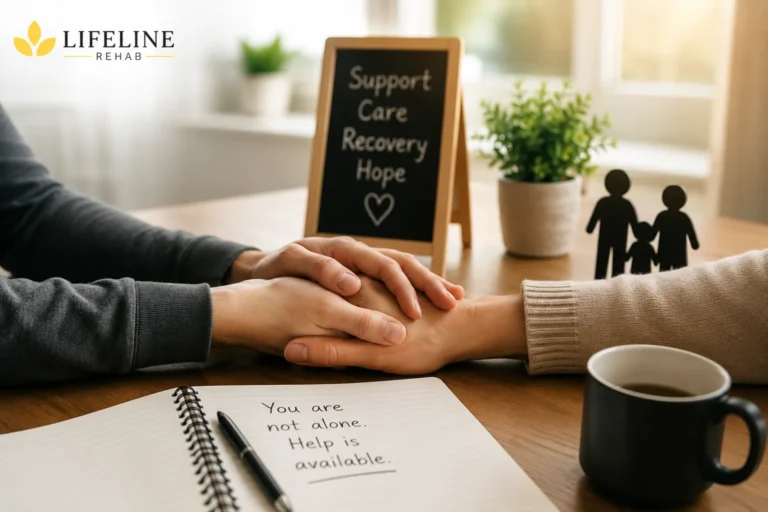
Encourage Professional Addiction Treatment
Although family support is extremely valuable, recovery often requires more than determination alone. Professional addiction treatment provides medical supervision, structured therapy, and long-term support that significantly improve the chances of lasting recovery.
A comprehensive addiction treatment program may include:
- Medical detoxification
- Individual counseling
- Psychiatric assessment and support
- Family counseling
- Group therapy
- Relapse prevention planning
- Inpatient rehabilitation
- Aftercare and ongoing recovery support
At Lifeline Rehab Islamabad, treatment plans are personalized to address both the physical dependence and psychological aspects of addiction. Our evidence-based approach combines medical care, therapy, and ongoing support to help individuals achieve long-term recovery.
When Is Rehab Necessary?
Many families are unsure when professional rehabilitation becomes the right choice. While every situation is different, rehab is often recommended when addiction begins to seriously affect a person’s health, relationships, safety, or ability to function in everyday life.
Rehabilitation may be necessary when addiction is affecting:
- Frequent intoxication
- Overdose risks
- Medical complications
- Constant conflict
- Broken trust
- Emotional distress
- Missed classes
- Poor performance
- Job loss
- Excessive spending
- Debt accumulation
- Borrowing money repeatedly
- Risk-taking behaviors
- Driving under the influence
- Aggressive conduct
Support Recovery Without Losing Yourself
Supporting a loved one through addiction recovery is important, but your own well-being matters too. Caring for someone with addiction can be emotionally exhausting, so it’s essential to maintain healthy boundaries and prioritize your physical and mental health.
Families can support recovery while protecting themselves by:
- Attending family counseling sessions.
- Learning about addiction and the recovery process.
- Joining family support groups.
- Maintaining healthy daily routines.
- Managing stress through self-care and healthy coping strategies.
- Setting realistic expectations about the recovery journey.
Recovery takes time, and setbacks can be part of the healing process. Patience, consistency, and compassion are essential. Remember that while you can provide encouragement and support, you cannot control another person’s choices or recovery.
How Lifeline Rehab Can Help
Lifeline Rehab provides professional addiction treatment services for individuals and families facing substance abuse challenges in Islamabad and across Pakistan. Our approach combines medical expertise, psychological care, and compassionate support in a confidential and respectful environment.
Our comprehensive treatment services include:
- Professional addiction assessments
- Medical detoxification support
- Individual counseling and psychotherapy
- Family counseling
- Psychiatric evaluation and treatment
- Relapse prevention planning
- Residential rehabilitation programs
- Long-term recovery and aftercare planning
As a trusted rehabilitation center in Islamabad, Lifeline Rehab works closely with individuals and their families throughout every stage of recovery, providing personalized treatment plans designed to achieve lasting sobriety.
Conclusion
Learning how to help a loved one with addiction can feel overwhelming, but informed action can make a meaningful difference. Recognizing the warning signs, communicating with empathy, setting healthy boundaries, and encouraging professional treatment are some of the most effective ways families can support recovery.
If someone you care about is struggling with substance abuse, don’t wait for the situation to become more serious. Contact Lifeline Rehab Islamabad to learn more about our confidential addiction treatment programs, family counseling services, and evidence-based recovery solutions available throughout Pakistan.
Frequently Asked Questions
How can I help a loved one with addiction?
Approach them with compassion, encourage professional treatment, establish healthy boundaries, and avoid behaviors that enable continued substance use.
How do I talk to someone struggling with drug addiction?
Choose a calm and private setting, express your concerns without judgment, listen carefully, and focus on encouraging treatment rather than assigning blame.
When is the right time to seek rehab for addiction?
Professional rehabilitation should be considered when addiction begins affecting physical or mental health, relationships, employment, education, finances, or personal safety.
Does family support improve addiction recovery?
Yes. Positive family involvement often improves treatment participation, strengthens motivation, and increases the likelihood of long-term recovery.
Why choose Lifeline Rehab for addiction treatment?
Lifeline Rehab offers confidential, evidence-based addiction treatment, medical detoxification, counseling, psychiatric care, family support, and personalized recovery programs to help individuals achieve lasting sobriety.